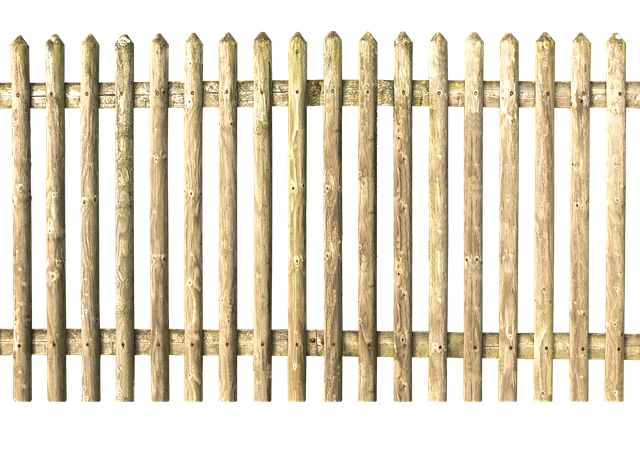
Introducing Fence Staining and Sealing: A Comprehensive Guide to Revitalizing Your Wooden Fences
Maintaining an aesthetically pleasing and durable wooden fence is essential for any outdoor space. This guide delves into the art of fence staining and sealing, offering a detailed exploration of the benefits and various types of stains, as well as the meticulous sealing process. From preparation techniques to selecting the perfect products, we provide insights to ensure a long-lasting, vibrant finish. Additionally, maintenance tips are shared to help extend the life of your stained fence, ensuring it remains a striking feature for years to come.
- Understanding Fence Staining: Benefits and Types
- The Sealing Process: Preparation and Application Techniques
- Choosing the Right Stain and Sealant for Your Fence
- Maintenance Tips: Extending the Lifespan of Your Stained Fence
Understanding Fence Staining: Benefits and Types
Fence staining is a popular method to enhance the appearance and protect wooden fences. It involves applying a pigmented sealer or paint to the fence’s surface, offering various benefits. Firstly, it provides an aesthetic upgrade by allowing you to choose from a spectrum of colors, ensuring your fence complements your property’s style. Secondly, staining acts as a barrier against environmental factors like UV rays, moisture, and extreme temperatures, which can cause wood to fade, crack, or rot over time.
There are two primary types of fence staining: semi-transparent and solid. Semi-transparent stains allow some light to pass through, preserving the wood’s natural look while still offering protection. Solid stains, on the other hand, create a more dramatic effect by blocking light, providing better color durability, and additional protection against water damage. Each type serves different purposes, catering to personal preferences and specific needs.
The Sealing Process: Preparation and Application Techniques
The sealing process is a crucial step in fence staining and maintenance, designed to protect the wood from environmental damage and prolong the lifespan of the stain. Preparation begins with thoroughly cleaning the fence to remove any dirt, grime, or previous coatings. This often involves pressure washing, which not only cleans but also roughens the surface slightly, allowing for better adhesion of the new sealant. Once clean, the fence should be dried completely before application.
Application techniques vary depending on the type of sealant used, but typically involve even coats applied with a brush or roller. For best results, apply the sealant in the direction of the grain and ensure each coat is fully dry before applying the next. Multiple thin coats are often better than one thick coat to avoid dripping and pooling, which can lead to an uneven finish. Following manufacturer instructions for drying times ensures optimal protection and durability.
Choosing the Right Stain and Sealant for Your Fence
When it comes to fence staining and sealing, selecting the perfect products is key to achieving a long-lasting, vibrant finish. The first step is understanding your wood’s needs. Different types of wood absorb and respond to stains uniquely, so choosing a stain that complements your fence’s natural grain and color is essential. Light-colored woods may require a clear sealant for protection without altering their appearance, while darker woods might benefit from a solid color stain to enhance their richness.
Additionally, consider the environment in which your fence resides. Exposure to harsh weather conditions, such as heavy rainfall or extreme temperatures, demands robust sealants that offer superior water resistance and UV protection. Look for products specifically designed for outdoor use, ensuring they provide adequate coverage and protection against fading and cracking over time.
Maintenance Tips: Extending the Lifespan of Your Stained Fence
Regular maintenance is key to extending the lifespan of your stained fence. After initial staining, reapply a fresh coat every 2-3 years to protect the wood and maintain its vibrant color. Before each application, clean the fence thoroughly to remove any dirt, mildew, or previous sealant residue. Use a pressure washer or a mild detergent and water solution for this task.
Inspect your fence regularly for signs of wear and tear, such as chipping paint or warped boards. Repair any damaged areas promptly to prevent further issues. Additionally, consider sealing the fence annually to create an extra barrier against the elements, including UV rays, rain, and snow, which can all contribute to fading and wood damage over time.