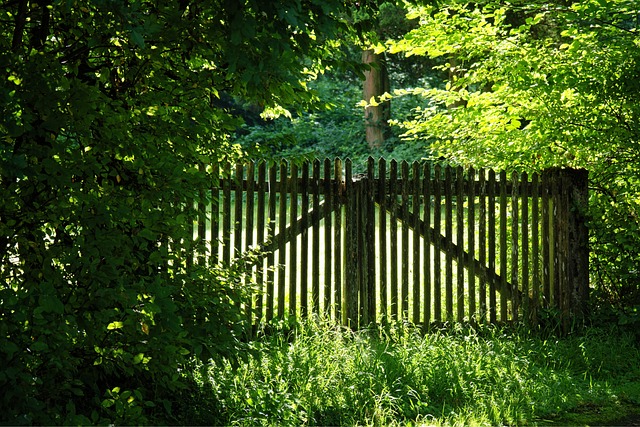
When it comes to preserving the natural beauty and longevity of wooden fences, understanding the interplay between wood types and stain compatibility is key. This article delves into the intricacies of fence staining and sealing, guiding you through the preparation process, selection of appropriate stains considering various climates, and the precise application techniques to achieve a uniform finish. Post-staining, sealing your fence is not just a finishing touch but a protective measure that extends its lifespan. We’ll also outline practical maintenance tips to keep your wooden barrier in prime condition for years to come. Join us as we unveil the essential steps to ensure your wooden sentinel stands resilient against the elements and time.
- Understanding Wood Types and Compatibility with Stains
- Preparing Your Wooden Fence for Staining
- Selecting the Right Stain for Your Fence's Wood Type and Climate
- Steps for Applying Stain Evenly Across the Fence
- The Role of Sealing After Staining: Protection and Maintenance
- Maintaining Your Stained and Sealed Fence for Longevity
Understanding Wood Types and Compatibility with Stains
When it comes to maintaining the aesthetic and protective qualities of a wooden fence, understanding the type of wood and its compatibility with stains is paramount. Different wood species absorb and react differently to stain treatments. For instance, softwoods like cedar and pine have natural oils that repel water, making them more resistant to moisture but also more challenging to penetrate with certain stains. Hardwoods such as oak or mahogany, which are denser and less oily, typically accept stains more readily, allowing for a uniform finish. The choice of stain should be tailored to the wood’s characteristics; water-based stains are often recommended for softwoods due to their slower drying time, while oil-based stains might be more suitable for hardwoods due to their deep penetration and protection against water and rot.
To achieve optimal results, it’s crucial to prep the wood surface properly before applying any stain. This includes cleaning the fence to remove dirt, mildew, and any other debris that could interfere with the stain’s adherence. Afterward, it’s essential to allow the wood to dry completely, as moisture can affect the absorption of the stain. Additionally, consider the grain and texture of the wood, as these factors will influence how the stain colors the fence. Some stains are designed to enhance grain patterns, while others offer solid color coverage. By carefully selecting the right stain and preparing the surface correctly, you can ensure a long-lasting finish that not only protects your wooden fence but also maintains its visual appeal for years to come.
Preparing Your Wooden Fence for Staining
Prior to staining your wooden fence, it is crucial to prepare the surface for optimal stain penetration and longevity. Begin by thoroughly inspecting the fence for any damage or decay. Repair or replace any rotten or damaged planks to ensure a uniform finish. Clean the fence with a mild detergent solution or a wood cleaner to remove dirt, mildew, and algae that can interfere with stain adherence. Rinse the fence thoroughly with a garden hose to remove all soap residue. Allow the wood to dry completely before proceeding, as moisture can trap stain and cause an uneven application. Once dry, use fine-grit sandpaper to gently sand the entire surface of the fence, removing any splinters, rough spots, or old stain. Sanding not only smooths the wood but also creates a slightly roughened texture that helps the new stain grip the surface. After sanding, wipe down the fence with a damp cloth to remove any dust or debris. Ensure the wood is clean and free of contaminants before applying the stain, as this will ensure a professional-looking finish that protects your wooden fence for years to come.
With the fence properly prepared, you can now choose the right type of stain for your climate and desired finish. Wood stains come in various formulations, including oil-based, water-based, and semi-transparent or solid options. Oil-based stains penetrate into the wood more deeply, providing excellent protection against moisture, while water-based stains are environmentally friendly and typically dry faster. Solid stains offer substantial color and UV protection but can mask less of the wood’s natural beauty compared to semi-transparent stains. Apply the stain evenly with a high-quality brush, roller, or sprayer, working with the grain of the wood. Follow the manufacturer’s instructions for drying times and additional coats if necessary, ensuring a uniform and protective finish on your wooden fence.
Selecting the Right Stain for Your Fence's Wood Type and Climate
When selecting a stain for your wooden fence, it’s crucial to consider both the wood type of your fence and the local climate conditions. Different types of wood have varying levels of porosity, texture, and natural oils, which affect how they absorb and retain stain. For instance, cedar and redwood are naturally resistant to rot and pests, requiring a clear sealant to protect their beauty while allowing the wood to breathe. In contrast, softer woods like pine may benefit from a semi-transparent or solid stain that provides additional moisture barrier protection.
The climate in which your fence is situated plays an equally important role in determining the right stain. In regions with high humidity and rainfall, a penetrating oil-based stain that resists moisture intrusion will extend the lifespan of your fence. Similarly, areas prone to intense sunlight require a stain with UV protectants to prevent fading and degradation over time. For colder climates, a stain designed to withstand freeze-thaw cycles is essential to maintain the integrity of the wood and avoid cracking or peeling. It’s also wise to select a stain that aligns with your maintenance preferences; some stains offer longer-lasting protection at the cost of more frequent application, while others may require less upkeep but provide a shorter duration of coverage. Understanding these factors will ensure your fence remains both functional and aesthetically pleasing for years to come.
Steps for Applying Stain Evenly Across the Fence
To achieve an even stain application on your wooden fence, it’s crucial to follow a systematic approach. Begin by thoroughly cleaning the fence surface to remove any dirt, debris, or old finish that could prevent the new stain from adhering properly. Use a soft-bristle brush or a pressure washer set to a low pressure for this task. Once the fence is clean and dry, lightly sand any rough spots with fine-grit sandpaper to ensure a smooth finish. This step will help the stain to apply more uniformly.
Next, select a high-quality wood stain that is suitable for outdoor use and intended for the type of wood you have. Follow the manufacturer’s instructions regarding the necessary preparation and application process. Apply a stain blocker or primer if recommended. When applying the stain, use a high-quality brush or sprayer designed for this purpose. Work in sections, starting at the top and moving downwards to avoid unnecessary walking on freshly stained areas. Apply the stain in long, even strokes, and don’t saturate the wood; a consistent, moderate coat is ideal. Allow the stain to penetrate for the time specified by the manufacturer before applying a second coat if necessary. Ensure that each section overlaps slightly with adjacent sections to avoid noticeable lines or patches of stain. After staining, clean up any spills or excess immediately with a damp cloth to prevent streaking or unwanted patterns. Lastly, always allow the stain to dry completely according to the product’s instructions before assessing the final outcome and making any additional coats as needed.
The Role of Sealing After Staining: Protection and Maintenance
When it comes to maintaining the longevity and aesthetic appeal of a wooden fence, both staining and sealing play pivotal roles in the protection and maintenance regimen. Staining imbues the wood with color, enhancing its visual appeal while providing a degree of protection against ultraviolet rays, which can cause fading and degradation over time. However, stain alone is not sufficient to create an impervious barrier against the elements. This is where sealing comes into play; it acts as a protective shield that defends the wood from moisture intrusion, which can lead to warping, rot, and other forms of damage.
The application of a quality sealant after staining serves to lock in the stain’s protective qualities. Sealants create a film that water cannot easily penetrate, effectively reducing the fence’s absorption of water. This barrier also acts as a safeguard against environmental factors such as wind, dirt, and pollutants, which can otherwise compromise the wood’s integrity. The combination of stain and sealant extends the lifespan of the wooden fence significantly, ensuring that it remains sturdy, presentable, and functional for years to come. Regular maintenance, including periodic reapplication of stain and sealant, will further enhance the protective measures, keeping the fence resilient against the relentless assault of the elements.
Maintaining Your Stained and Sealed Fence for Longevity
To maintain your stained and sealed wooden fence for longevity, regular inspections are key. Begin by visually examining the fence annually, particularly after extreme weather events, to identify any signs of wear, such as peeling, cracking, or discoloration. These can be indicators of underlying issues that may compromise the integrity and appearance of your fence over time. Should you notice any damage, address it promptly by lightly sanding the affected area and applying a fresh coat of sealant to protect against moisture and UV rays.
In addition to visual inspections, cleaning your fence regularly is crucial for its longevity. Use a mild detergent mixed with water to remove dirt, mold, or mildew, which can degrade the wood and stain over time. After cleaning, ensure the wood is completely dry before reapplying stain and sealant. The frequency of reapplication will vary depending on environmental factors such as sunlight exposure and humidity levels. Typically, stains should be refreshed every 2 to 3 years, while seals might require attention every 1 to 2 years for optimal protection. By adhering to a routine maintenance schedule, you can extend the life of your wooden fence significantly, maintaining its natural beauty and functionality.